
Lead Generation
How Logo Designers Can Win Clients in Their First Month of Trading
25 October 2026 · 7 min read
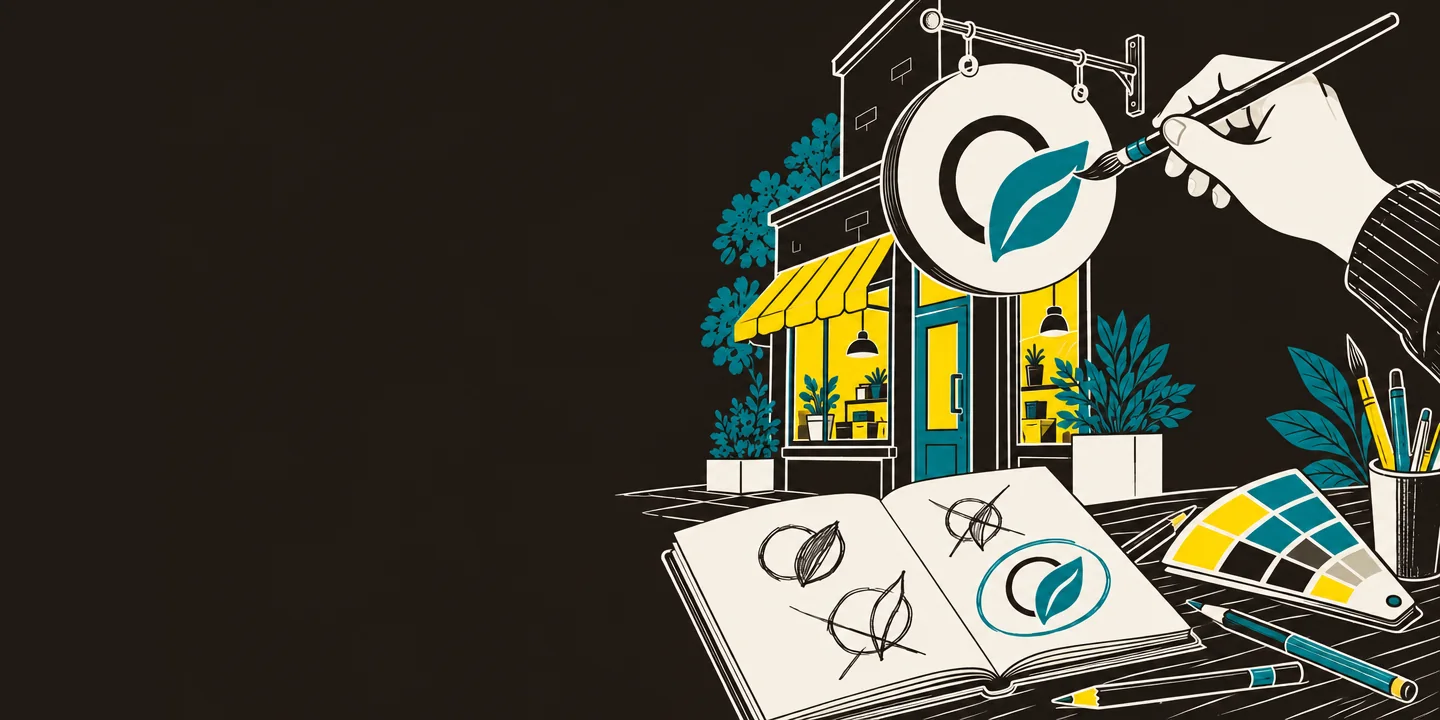
A founder needs a logo before almost anything else that customers see. The van signage, the shop front, the Instagram avatar, the invoice template and the website all wait on it. That makes the first month of trading the best time to win logo design clients, and the register of new UK companies tells you exactly who is in that month.
There is also less competition than you might think. In Company Explore's registration data, 670 new companies listed SIC 74100 (specialised design activities, which covers graphic and brand designers) in the 30 days to 18 October 2026. In the same period, 6,704 new companies registered as online retailers (47910) and 1,129 as hairdressing and beauty businesses (96020). That is about ten new online shops for every new design firm, before you count anyone else.
The rest of this guide covers which of those founders care most about brand, how to tell whether they already have one and how to approach them without giving work away.
Why new founders choose a brand first
A new business owner can delay a website for months by trading through Instagram, a marketplace listing or word of mouth. A name and a mark are harder to put off. They go on the first social profile, the first business cards and the first quote sent to a customer. Once printed on a van or sewn onto uniforms, a logo is expensive to change, so founders who care about it tend to sort it early.
The registered company name gives you a way in. Every new company on the register has a name the founder chose, and that name is public from the day of incorporation. A designer who sends a rough idea built around that exact name is talking about the founder's own business from the first line.
How many new businesses need a logo each month
These are the industries where the logo does the most selling, with registrations in the 30 days to 18 October 2026 and the 12 months to the same date.
| Industry | SIC code | New companies (30 days) | New companies (12 months) | Where the logo has to work |
|---|---|---|---|---|
| Online retail | 47910 | 6,704 | 73,960 | Website header, packaging, marketplace shop, social ads |
| Restaurants, cafes and takeaways | 56101, 56102, 56103 | 3,464 combined | 42,714 combined | Signage, menus, delivery app listing, packaging |
| Hairdressing and beauty | 96020 | 1,129 | 14,558 | Shop front, Instagram, booking page, price lists |
| Pubs and bars | 56302 | 566 | 6,648 | Signage, glassware, menus |
| Event catering | 56210 | 537 | 6,358 | Vehicle livery, uniforms, menus |
| Clothing shops | 47710 | 476 | 6,272 | Labels, swing tags, bags, shop front |
| Physical well-being (massage, spas) | 96040 | 266 | 4,013 | Treatment menus, gift vouchers, social |
| Fitness facilities | 93130 | 242 | 3,379 | Gym signage, kit, app and social |
| Cosmetics and toiletries shops | 47750 | 216 | 2,733 | Packaging, labels, social |
| Jewellery and watch shops | 47770 | 146 | 1,822 | Packaging, shop front, social |
| Bakeries and cake makers | 10710 | 101 | 1,057 | Boxes, labels, stall banners |
| Specialised design (your competition) | 74100 | 670 | 8,074 |
Over 12 months the ratio is similar: 73,960 new online retailers against 8,074 new design companies, about nine to one. Design registrations were flat on the year before (8,101), while online retail fell by about 3% and beauty by about 8%. Plenty of designers work as sole traders and never appear on the register, so treat 74100 as a floor for your competition. The demand side is still far larger.
Which industries care most about logo design
Brand matters most where a customer chooses between near-identical options on looks alone. Online shops come top. A buyer scrolling a marketplace or a social feed judges the product photo and the brand in about the same glance, and a homemade logo signals a homemade operation.
Beauty and hair come next. Salons trade heavily on Instagram, and the logo sits on every post, the shop window and the price list. Food businesses need a mark that works at very different sizes, from a fascia sign to a sticker on a takeaway bag, which is a brief many founders underestimate.
Trades are a weaker fit for full brand work but a good fit for a clean, readable mark for van livery and workwear. Holding companies (70100 and 64209) and single-property landlords (68209) rarely need a logo at all, so leave them out of your list.
How to spot a trading name
Registered names often differ from the name customers see. A company registered as "J Patel Holdings Ltd" might trade as "The Spice Yard" (both made-up examples). UK companies can trade under a different name from their registered one, although the registered name still has to appear on documents, websites and at their premises.
Sort new companies into three groups before you contact anyone:
- Brand-ready names: something distinctive that could go on a shop sign as it is. The founder has clearly thought about it, and a concept sketch built on the name makes sense.
- Personal or generic names: the founder's own name, initials or words like "Services", "Ventures" or "Group". They may have a separate trading name, or no brand yet. Find out before you design anything.
- Already branded: a logo appears on their website or social profiles. Look at its quality and move on unless there is an obvious problem, such as a mark that can't be read at small sizes.
Company Explore's enriched exports help here. Build a list in the B2B List Builder and run an enriched export to get each company's published website, email and phone, plus scored suggestions for the director's LinkedIn, Facebook or Instagram profile. A website domain or Instagram handle that differs from the registered name usually reveals the trading name. Check profile suggestions yourself, because they are suggestions. The recently created companies page is handy for a quick daily look.
Outreach for logo design clients
Send fewer, better messages. A specific email to 20 founders a week will do more than a template sent to 500.
- Open with their name and what they do: "I saw [trading name] registered this month as a takeaway in [town]."
- Attach one rough concept for their actual name, in black and white, at low resolution, clearly marked as a sketch.
- Say in one line what a full logo project includes, such as a few directions, revisions and files for print and screen.
- Keep it under 100 words and make it easy to reply or opt out.
Email limited companies at business addresses, and stay inside PECR and UK GDPR. Sole traders count as individuals and need consent first. The GDPR guide explains both. For more on short first messages to new founders, see the posts on how vibe coders find first paying customers and finding web design clients. If you also build websites, the two pitches combine well.
How to avoid spec-work traps
A rough concept opens a conversation. Unpaid finished work loses you money, and some founders will happily take it.
- Cap your time: set a strict limit per sketch and stick to it. If a concept needs polish to land, it is the wrong concept to send.
- Send one idea: one rough direction. Never offer to send more for free.
- Keep it rough: low resolution, no vector files, watermarked if you like. Founders can't put a sketch on a van.
- Hold the rights: in the UK, the designer of commissioned work generally keeps the copyright unless it is assigned in writing. Assign it in your contract when the invoice is paid.
- Mention trade marks: registering a company name doesn't protect it as a trade mark. Suggest the client checks the UK IPO register before printing anything, which also shows you know the job.
- Take a deposit: ask for part of the fee up front before you start the paid work.
If a founder asks for three more free concepts, they are asking you to compete with other designers for nothing. Politely decline and point to your paid package.
A weekly routine for winning logo design clients
- On Monday, check the Leads Dashboard for new registrations in your target industries and region.
- Pull the last seven days for those SIC codes in the B2B List Builder.
- Drop holding companies, landlords and anything already well branded.
- Run an enriched export and sort the rest into brand-ready, generic and already branded.
- Sketch rough concepts for the 10 to 20 best brand-ready names and send them within a day or two.
- Log replies by industry and name type, and adjust next week's list.
Frequently asked questions
How do I get logo design clients as a freelancer?
Target companies in their first month of trading, when the founder is choosing a brand. Filter new registrations by brand-heavy SIC codes such as online retail, beauty and food, then send a short, specific message to each founder.
Should I send a free logo concept to win a client?
One rough sketch for the founder's actual name can start a conversation, as long as you cap your time, keep it low resolution and keep the rights. Finished, unpaid work is a trap.
Which businesses need a logo most?
Online shops, beauty businesses, food businesses and clothing retailers, because customers judge them on looks. In the 30 days to 18 October 2026, 6,704 new online retailers registered, compared with 670 new design companies.
How can I tell if a new company already has a logo?
Check its website and social profiles. An enriched export lists any published website and suggests likely social profiles for the director, so you can see in a few minutes whether a logo already exists.
To find this month's brand-ready founders, open the B2B List Builder, pick the industries above and set the incorporation date to the last 30 days.